

What November is teaching us about the SGSS website
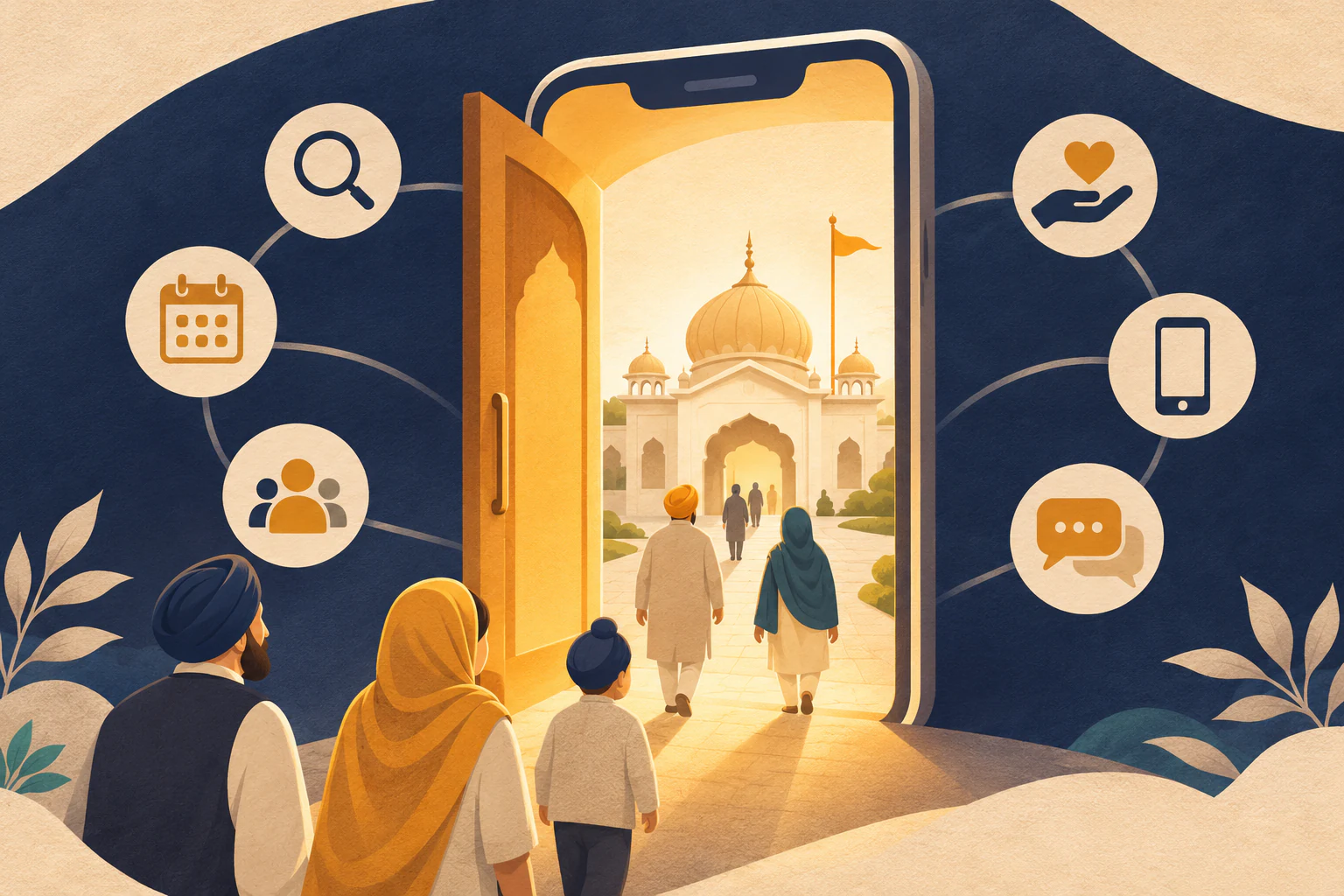
Halfway through November, one thing is clear. The website is becoming one of SGSS's front doors, but it is not yet a good enough listening post.
From 1 to 15 November, the site received 963 visits from 706 measured users, who viewed 3,606 pages. Most importantly, the numbers are beginning to tell us what people actually need from SGSS, and where the website is making that harder than it should be.
The phone is now the front door
Around 68% of visits came from mobile phones.
That changes how we should think about the website. Mobile is not the smaller version of the main site. For most people, it is the main site.
Our next improvements will therefore focus on the jobs people are most likely to do on a phone: checking events, finding a service, getting directions and sharing an idea. We will also test the important forms on a phone-sized screen, not only on a desktop computer.
People are actively looking for SGSS
Google Search brought 560 visits during the first half of November. A further 36 visits came from AI assistants.
That means the website is doing more than serving people who already know the exact address. It is helping people discover SGSS, our activities and our services when they are looking for support or information.
Matrimonial demand is real
Matrimonial continues to attract strong interest. It received 300 page views, and 147 visits started directly on that page.
That is important because it tells us the demand is not simply caused by Matrimonial appearing first in the services list.
Of the visits that started on the page, 109 came from Google Search, 27 were direct and 11 came from ChatGPT. People are actively looking for the service before they reach the SGSS website.
We also recorded 30 downloads of the application form by 11 people. A download is not a completed application, but it is a clear sign that some visitors want to join the register, not only browse it.
The current page protects the families using the service. It does not send names, photographs or contact details online. Visitors can browse anonymous references, note the ones that interest them and then visit the Gurdwara. That boundary should remain.
The process around it can still improve. Around 81% of Matrimonial sessions were on mobile, but we do not currently know how many people filter the register, note a reference, request directions, call the office or successfully continue in person.
Our next test will make the two main journeys clearer: “Browse the register” and “Join the register”. We will measure the steps without recording names, messages or reference numbers. This should help us improve the handoff while avoiding the earlier problem of people asking the office to send photographs and personal details it cannot provide.
Popular does not always mean “shown first”
Panjabi Classes received 39 page views, with Kirtan and Wellbeing receiving 31 each. Four service enquiries were accepted during the period: two for Kirtan, one for Panjabi Classes and one for the Library.
There is still a fair question to answer. Are some activities popular because people genuinely want them, or because they are easier to see?
At the moment, the website does not measure that well enough. We are going to record which service cards people are shown, what they choose and whether that leads to an enquiry. We can then rotate selected services fairly and make decisions from evidence rather than guesswork.
The biggest missed opportunity is listening
People regularly have useful ideas about the Gurdwara. The website is not currently making it easy to capture them.
The feedback page received only 10 views from three mobile users during the period, and no suggestions were submitted. The larger homepage poll also received no answers.
We do not believe that means people have nothing to say. The feedback link is hidden in the footer, the form feels like a formal complaint process, and the poll asks for too much time at once.
We are going to test a much simpler approach: a visible “Share an idea” option with one main question, plus an optional name and contact detail. Formal complaints will remain separate. The new option will be easier to find from the homepage, mobile menu, events and services.
The aim is simple. A useful thought about the Gurdwara should not be lost because the right person was not standing nearby at the right moment.
Is the Punjabi website useful?
Punjabi use is small, but it is not zero.
Seven measured users viewed 69 Punjabi pages during the first half of November. Eight of the nine Punjabi visits were engaged, and one Punjabi registration journey reached the completion page.
Since the site launched in August, 54 measured users have used Punjabi pages. The language switch has been used by 38 people.
That does not mean the admin team should type every event, article and update twice. The publishing system can already use AI to create a first Punjabi translation from the English version.
Our proposed approach is to let AI create the first draft, then ask an administrator who reads Punjabi to check and correct it before publication. This keeps Punjabi available without treating an unchecked AI translation as finished work.
We will also maintain strong, reviewed Punjabi versions of permanent information, including visiting, Langar, services, registration and ways to contact SGSS.
We will measure Punjabi registrations, enquiries, ideas and language switching for the next 90 days. That will give us a better answer than either removing it now or maintaining a full duplicate site without evidence.
What we are testing next
Over the next stage, we plan to test:
- a shorter, more visible way to share an idea;
- better mobile access to events, services, directions and feedback;
- fair rotation and measurement of selected services;
- a clearer mobile journey for browsing or joining the Matrimonial register;
- clearer tracking from a service view to an accepted enquiry;
- AI-assisted Punjabi drafts checked by administrators who read Punjabi.
The website is already helping people find SGSS. The next job is to make it better at listening.
Tell us what you think
If you have used the website and spotted something confusing, missing or worth improving, please tell us. Suggestions about the Gurdwara, its services and future activities are welcome too.
Figures cover 1 to 15 November 2026. Analytics counts measured browsers and can be affected by consent choices, privacy tools and shared devices. Page interest is not the same as attendance, membership or a completed booking.